Dedicated to understanding Asia and its role in the world.
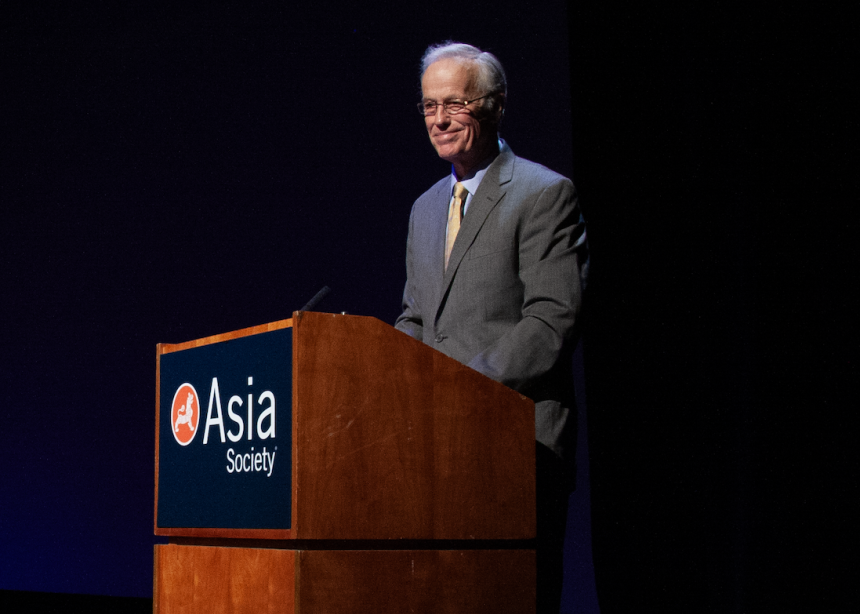
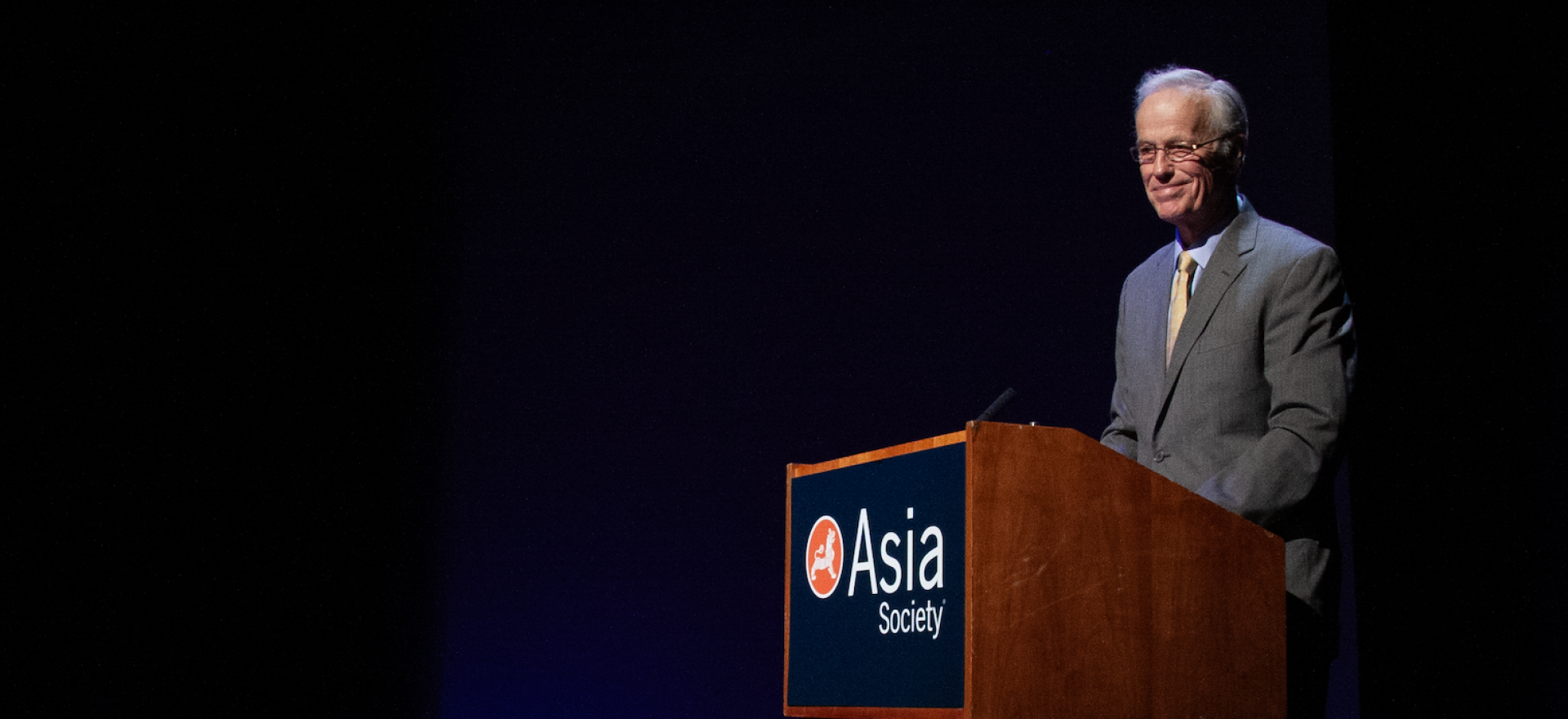
Robert B. Oxnam
1942-2024

Events at Asia Society


Asia Society
Navigating Shared Futures
Throughout Asia and the world across policy, arts, culture, education, business, technology, climate, and public health.
Our Events
Join us at our locations in Asia, the United States, and Europe for expert discussions, performances, film screenings, exhibitions, workshops, and more.
The Latest
-
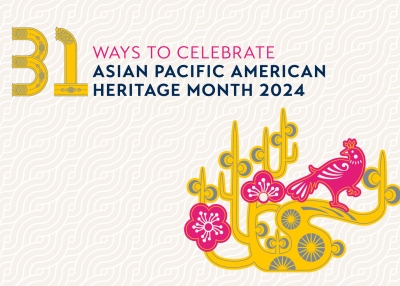 Celebrate Asian Pacific American Heritage Month 2024 through live events, recommendations, and on-demand content!
 -
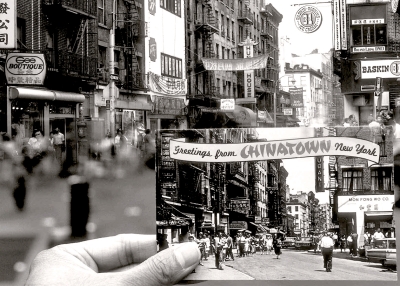 Photo Essay/Corky Lee’s ChinatownSince 1970, a Chinese-American photojournalist has been capturing images of street life in New York’s Chinatown. Here are twelve of them, from protest to pandemic.
 -
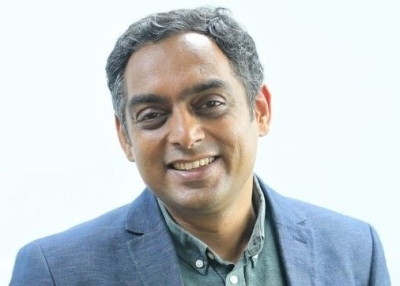 As India heads to the polls, political scientist and journalist Nalin Mehta looks at how the ruling BJP has solidified its position and what Prime Minister Modi might set as priorities in his likely second decade as India's leader.
 -
 report/ Asia Society Policy Institute
Resilience & Resolve: Lessons from Lithuania's Experience with Chinese Economic Coercion
Wendy Cutler and Shay Wester explore Lithuania's experience with Chinese economic coercion. -
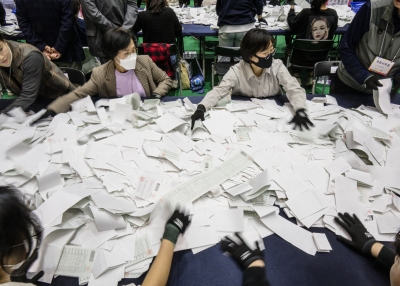 paper/ Asia Society Policy Institute
A Closer Look at South Korea's 22nd National Assembly Elections
Emma Whitmyer explores South Korea's National Assembly elections and what it means for the country. -
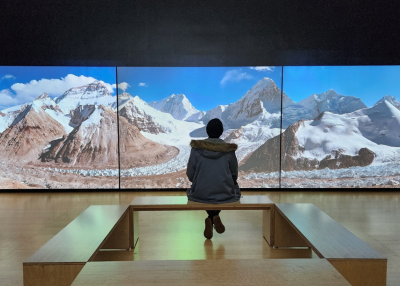 Exhibition/COAL + ICE: Inspiring Climate Action Through Art and IdeasCOAL + ICE will be on view at Asia Society Museum in New York February 13 through August 11, 2024.


Videos
View All
![[IN FRENCH] Occident - Chine: La Guerre Cognitive Aura-t-elle Lieu?](/sites/default/files/styles/531x300_video/public/2024-04/West-China-%20Will%20the%20Cognitive%20War%20Take%20Place%3F.jpg)

Our Work
Through our global network across Asia, the United States, and Europe, we create a platform to educate, foster insight, and elevate key voices around the world.
Arts & Culture
Presenting traditional and contemporary Asian and Asian American art, and related cultural programs.
Asia Society Education
Creating understanding about Asia and the global Asian diaspora through language, learning, and public programs.
Policy
Tackling major policy challenges and opportunities confronting Asia and the world.